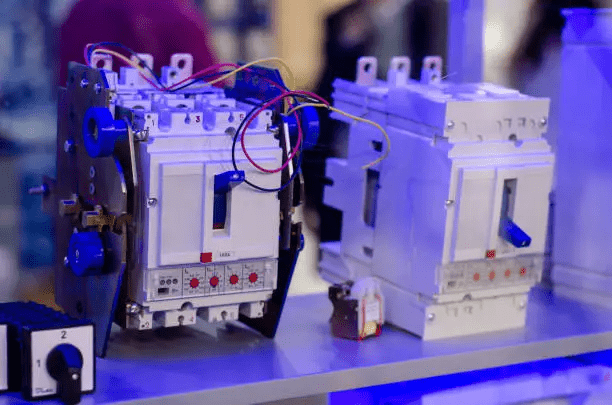

With enterprises becoming more sensitive to power outages, modern backup systems now rely not only on transfer switches but also on ac/dc switching power supply units to deliver stable, reliable performance. These systems need to switch between primary and secondary power sources to ensure that the data centers, manufacturing lines, and other essential systems are functioning optimally. Due to the increase in necessity, B2B buyers now have a plethora of options when it comes to choosing a transfer switch manufacturer. Every manufacturer has different solutions in terms of capabilities, design, and dependability.
Simultaneously, modern-day backup systems also make use of highly sophisticated components like an ac/dc switching power supply, which is critical in providing reliable voltage during power transitions. Selecting such power electronics manufacturers can significantly improve the long-term performance of the system.
This blog post details what industrial buyers should look for to compare transfer switch suppliers, and what decisions are important when it comes to the system design with ac/dc power supply units.
Examining the Function of Transfer Switches in Industrial Backup Systems
During a power outage or dip in voltage, oil and gas industries, food processing, telecommunications, and logistics industries require reliable and instant power—backup generators and transfer switches are essential for these industries. A transfer switch will automatically transfer power from the mains to a backup at the slightest sign of trouble.
Key applications include:
-
Monitoring of loads with reporting status across multiple power types (batteries, renewables, generators).
-
Industrial grade switches renowned for high-speed switching (less than 100 ms).
-
Integration with automation and SCADA systems.
Because of their essential role, buyers must consider specification requirements and future scalability when choosing a manufacturer—relying solely on system-level compatibility poses risks.
Durability, Design, and Build Quality
Industrial environments expose equipment to dust, humidity, vibration, and extreme temperatures. Reliable transfer switch manufacturers design with durability in mind. Look for:
-
Dust and water-resistant IP-rated enclosures
-
Corrosion-resistant terminals and contact points
-
Temperature-resistant components for high-heat applications
-
Electromechanical or solid-state construction, depending on use
Endurance also depends on integration with AC/DC switching power supply systems, especially under voltage instability and cyclic source switching.
Switching Mechanism and Speed
Types of ATS units include:
-
Open-transition
-
Closed-transition
-
Delayed transition
-
Soft loading
When comparing, focus on:
-
Transfer time latency (switching speed)
-
Break-before-make vs. make-before-break operation
-
Load sensing and voltage tracking
-
Coordination with UPS and AC/DC switching power supply components
Control Features and Monitoring Capabilities
Modern transfer switches are no longer just mechanical—they integrate into intelligent power management systems. Features include:
-
Real-time monitoring of voltage, current, and frequency
-
Modbus, SNMP, and BACnet communication protocols
-
Remote monitoring and mobile applications
-
Predictive maintenance and self-diagnostics
These days, many industrial systems pair transfer switches with ac/dc powering devices incorporating remote diagnostics. Choosing a supplier with control software that integrates modularly brings coherent visibility throughout the entire system.
Keywords in one single sentence: Bottom tier and transfer switch manufacturers do deals that integrate seamlessly with ac/dc switching powering blocks to guarantee visibility and monitoring across backup systems.
Configuration Scale and System Compatibility
When planning long-term, ensure the switch meets current and future requirements:
-
Ampere ratings from 100A to several thousand amps
-
Modular design for scalability
-
Compatibility with generator, solar, battery, and hybrid power sources
-
Flexible mounting options (wall, rack, cabinet)
Compatibility with auxiliary sources and AC/DC switching power supply units prevents overloads and synchronization failures.
Compliance and Testing Standards
Trustworthy manufacturers align with international certifications:
-
IEC 60947-6-1, UL 1008
-
ISO 9001-certified processes
-
CE, CSA, and RoHS compliance
-
Factory tests and third-party validation
Usually suppliers that surpass minimum requirements tend to have better technical documents, more reliable supply chains, more extensive QA, and improved integration of complex systems where an ac/dc switching power supply network is needed.
After-Sales Support and Lifecycle Services
Beyond the product itself, industrial buyers should evaluate:
-
On-site assistance and training
-
Spare parts availability
-
Fast repair or replacement services
-
Dedicated engineering support
Strong support services reduce downtime and extend equipment life.
Conclusion: Picking the Best Transfer Switch Manufacturer
The selection of transfer switch manufacturers is broad, but the right choice comes from focusing on durability, switching technology, modular design, compliance, and after-sales support. When combined with high-performance components such as the AC/DC switching power supply, the transfer switch forms the backbone of a dependable, scalable backup power system.
For industrial B2B buyers, bespoke designs offer the best long-term ROI, even if initial investment costs are higher.