
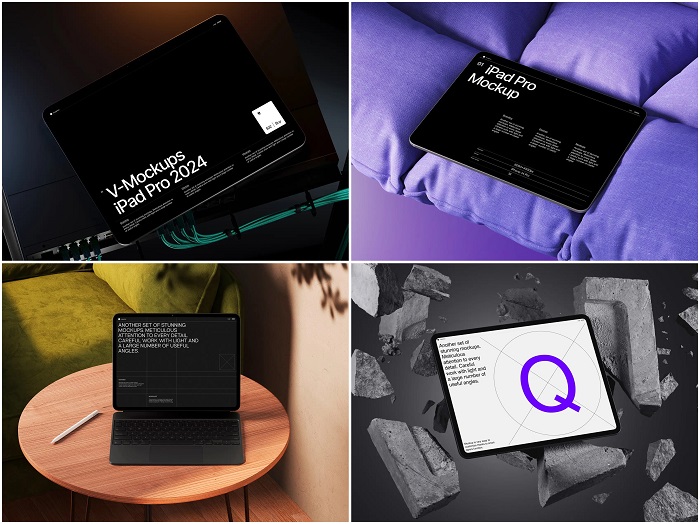

Picture this: you’ve just launched your eCommerce store. The colors are on point, the product photography is beautiful, and the checkout flow is silky smooth. But when it comes to showing the world what you’ve built — in a pitch deck, on social media, or in a portfolio — a plain browser screenshot just doesn’t do it justice. That’s where an iPad mockup changes everything.
Mockups are the quiet powerhouses of digital marketing. They frame your store inside a real-world device, giving potential customers and investors a sense of how the shopping experience actually feels. And in a world where trust is built visually before a single word is read, that matters more than most people realize.
Why the iPad Is the Unsung Hero of eCommerce Presentations
While phones get all the attention in UX discussions, the tablet — and particularly the iPad — occupies a fascinating middle ground. It’s the preferred device for leisurely browsing, comparison shopping, and yes, buying. Studies consistently show that tablet users spend more time on product pages and convert at higher rates than mobile-only shoppers. So when you’re presenting your store, showing it on an iPad signals something intentional: this experience was designed for people who actually want to shop.
Beyond the data, there’s an aesthetic argument. The iPad’s wide screen and slim profile make for genuinely beautiful mockup compositions. Product grids breathe. Typography has room to land. Hero banners fill the frame the way designers always intended. It simply looks premium — and for an eCommerce brand, that premium feeling is part of the product.
Real Examples: How Brands Use iPad Mockups in the Wild
The applications are broader than most store owners initially imagine. Here are some of the most effective ways eCommerce teams are actually using iPad mockups right now:
- Investor decks and pitch presentations. A Shopify fashion brand pitching to a seed-stage fund doesn’t hand over a link — they show a polished mockup slide where the store looks alive and intentional. The iPad frame adds context that a URL never could.
- Social media content and ads. Instagram and Pinterest advertisers use lifestyle-style iPad mockups to blur the line between editorial content and promotion. The device feels natural in a flat-lay or desk scene — less like an ad, more like aspiration.
- Agency and freelance portfolios. Web designers and UX professionals use device mockups to present client work in case studies. An iPad mockup transforms a screenshot gallery into a compelling before-and-after story.
- Email marketing headers. Sending a newsletter announcing a new store feature? A crisp iPad mockup at the top of the email makes the announcement feel like a product launch — because it is one.
- App Store and marketplace listings. Brands selling on multiple platforms use iPad frames in their storefront imagery to signal professionalism and multi-device readiness to shoppers who care about that kind of thing.
In each of these cases, the mockup isn’t decoration — it’s communication. It’s telling the viewer exactly how this shopping experience will feel before they ever tap the screen.
Where Quality Mockups Actually Come From: A Look at ls.graphics
Not all mockups are created equal. Anyone who has dug through free resource sites knows the experience: low-resolution PSD files, awkward screen glare that can’t be adjusted, locked layers, and device colors that went out of fashion several product generations ago. When the goal is to make your store look its best, those shortcuts cost more than they save.
The iPad mockup collection at ls.graphics is built from a different philosophy entirely. These files are crafted for designers and marketers who need results that hold up under scrutiny — in print, on retina screens, and in front of clients who notice these things. What sets them apart comes down to a few things that matter in practice:
- Ultra-realistic rendering. The light behavior, shadows, and surface reflections are rendered to look like actual photography. Your screenshot sits inside the device as though it was always meant to be there.
- Organized, logical layer structures. Every element has a name and a purpose. Swapping your screen content takes seconds, not a frustrating hour of toggling visibility on mystery groups.
- Multiple angles and perspectives. From straight-on flat lay to dramatic three-quarter views, there are enough options to match any layout — whether it’s a landing page hero, a banner ad, or an editorial spread.
- Color style variations. Device colors are included in multiple finishes, so the mockup can be coordinated with the brand palette it’s presenting rather than clashing with it.
- Minimalist, stylish compositions. The surrounding scenes are clean and intentional — never busy or distracting. The store is the star; the mockup is the stage.
The result is a set of files that feel genuinely professional without requiring a professional to operate them. Smart layer naming and ready-to-use smart objects mean that even non-designers on a marketing team can drop in a new screenshot and produce something that looks deliberate and polished.
Making Your Store Look Its Best: Practical Tips for eCommerce Mockups
The mockup is only as good as the screenshot inside it. Before you place your store into any device frame, take a moment to optimize what’s being shown. Choose the page that tells the most compelling story — often that’s a product collection page with strong imagery rather than the homepage, which can sometimes feel sparse without live content populating it.
Think about the angle, too. A flat overhead view works beautifully for clean editorial content. An angled perspective creates energy and depth, which suits more dynamic product categories like activewear, tech accessories, or anything where the brand voice is bold. The composition you choose sends a signal about the brand — make sure both are aligned.
Finally, resist the urge to add too much to the frame. The iPad mockup itself creates context. Overlaying logos, badges, and call-to-action text on top of it often dilutes the impact. Let the device — and the store inside it — do the talking. That restraint is what separates marketing assets that feel premium from those that feel rushed.
The Multi-Device Argument: Showing Your Store on Every Screen
One of the most persuasive things an eCommerce brand can demonstrate is that their store looks great everywhere. Combining an iPad mockup with a smartphone and a desktop monitor in a single scene — a multi-device composition — signals technical competence and design intentionality in a way that words simply can’t.
This kind of presentation has become something of a standard in agency work and product launches, and for good reason: it instantly answers the question every potential customer has before they’ve consciously formed it. Will this experience work for me, on my device? A well-composed multi-device mockup says yes, visually and immediately.
Conclusion: Small Asset, Big Impact
The gap between a store that looks like a hobby project and one that looks like a real brand often comes down to presentation decisions that cost very little but pay off enormously. An iPad mockup is exactly that kind of decision.
It reframes your store inside a device that people trust, admire, and associate with quality digital experiences. It gives investors, customers, and collaborators something to respond to emotionally before they’ve read a single word of copy. And when the files are built with the care and craft that ls.graphics puts into their premium mockup collections, the results genuinely look like they came from a professional studio — because in a meaningful way, they did.
Your store deserves to be seen at its best. Put it in the right frame.