

Key Takeaways:
- Regular practice of Tai Chi and Qigong offers numerous physical and mental health benefits.
- These practices can improve cardiovascular health, reduce stress, and enhance balance and flexibility.
- Incorporating Tai Chi and Qigong into daily routines is accessible and beneficial for individuals of all ages.
Table of Contents:
- Introduction
- Enhancing Cardiovascular Health
- Reducing Stress and Anxiety
- Improving Balance and Flexibility
- Managing Chronic Pain
- Enhancing Sleep Quality
- Boosting Immune Function
- Getting Started with Tai Chi and Qigong
- Conclusion
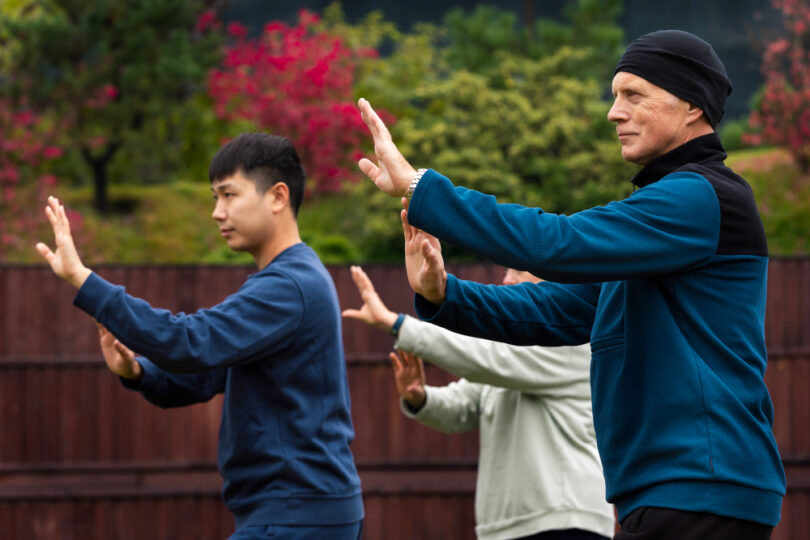
Tai Chi and Qigong are ancient Chinese practices renowned for fostering physical, mental, and emotional health. Both disciplines combine gentle, flowing movements, controlled breathing, and focused intention to create a holistic exercise experience. Increasingly, people worldwide are turning to Tai Chi and Qigong as effective ways to nurture wellness, manage stress, and support overall vitality. For those new to these practices, there are helpful resources available, including high-quality instructional Tai Chi videos for beginners that make starting easy and approachable.
Unlike many high-intensity workouts, Tai Chi and Qigong emphasize mindful movement over exertion, making them accessible for people of all ages and fitness levels. Whether you are seeking a gentle form of exercise, relief from chronic pain, or a strategy to quiet the mind, these disciplines offer tangible, science-backed health outcomes that integrate seamlessly into daily routines. Today, their benefits are increasingly supported by medical research and enthusiastically recommended by healthcare professionals.
Participants regularly report a greater sense of peace, stability, and energy after integrating Tai Chi and Qigong into their weekly schedule. The accessibility of online programs and community classes means these ancient practices can be adopted virtually anywhere and anytime, from living rooms to local parks.
More than just an exercise regimen, Tai Chi and Qigong offer a meditative journey that harmonizes body and mind. With regular practice, their benefits extend far beyond physical health, influencing emotional resilience, clarity, and well-being.
Enhancing Cardiovascular Health
Cardiovascular health is a pillar of overall wellness, and Tai Chi has been shown to support it in several key ways. Gentle, rhythmic movements encourage healthy circulation and reduce blood pressure. A comprehensive review in the Journal of the American Heart Association found that regular Tai Chi practice can significantly lower both systolic and diastolic blood pressure, as well as improve cholesterol profiles. This makes Tai Chi an excellent non-pharmacological approach for individuals managing heart disease risk factors.
The slow, repetitive motions help the heart function efficiently without placing excessive strain on the body. When combined with steady inhalation and exhalation, Tai Chi creates a natural synergy that optimizes oxygen intake and encourages heart rate variability, both important measures of cardiovascular health and resilience to stress.
Reducing Stress and Anxiety
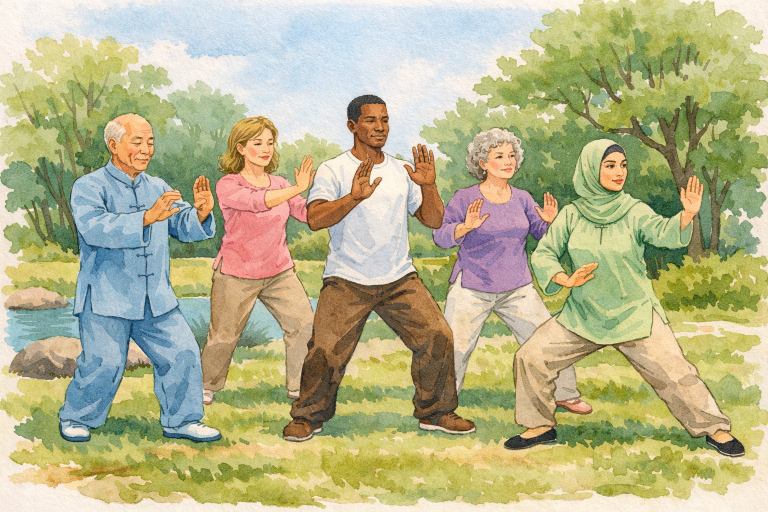
Stress is pervasive in modern life, and its chronic effects can be detrimental to both physical and mental health. Tai Chi and Qigong address stress at its roots through practices that calm the nervous system and promote mindfulness. By bringing awareness to the breath and the present moment, practitioners learn to let go of anxious thoughts and reduce physiological tension. A review shared by Healthline highlights that Tai Chi provides stress relief on par with traditional aerobic exercise, with the unique bonus of meditation woven throughout its practice.
Regular engagement in these arts cultivates greater emotional resilience and a sense of groundedness. Over time, participants may see measurable decreases in anxiety, improved mood stability, and enhanced capacity to manage daily life challenges. This makes Tai Chi and Qigong especially valuable for anyone looking to create a peaceful retreat from a demanding routine.
Improving Balance and Flexibility
Falls and related injuries are a significant risk for older adults. Tai Chi and Qigong are increasingly advocated by experts as effective strategies to enhance balance, flexibility, and coordination. The slow, controlled transitions between movements challenge stability and engage core muscles, which build strength and proprioception. These improvements are substantiated by numerous clinical studies, making these practices preferred recommendations for fall prevention and mobility enhancement in senior wellness programs.
Managing Chronic Pain
Chronic pain affects millions and often limits participation in regular activity. Tai Chi and Qigong present an accessible alternative to more strenuous exercise therapy. Their gentle routines encourage joint mobility, ease muscle tension, and release endorphins, the body’s natural pain relievers. Research published through Harvard Health demonstrates that Tai Chi, in particular, can significantly reduce pain intensity and improve physical function among individuals with persistent low back pain.
With a focus on body awareness and inner relaxation, these practices help individuals break the cycle of pain and inactivity. Over time, this can improve both pain outcomes and overall quality of life.
Enhancing Sleep Quality
Poor sleep disrupts physical recovery and mental clarity, compounding daily stress. Tai Chi and Qigong have been shown to improve sleep quality and duration. The deep relaxation cultivated during practice helps quiet the mind and deactivate the fight-or-flight response, making it easier to fall and stay asleep. Evidence reviewed by Healthline supports Tai Chi as a beneficial adjunct therapy for insomnia and sleep disturbances in various age groups.
Boosting Immune Function
Regular physical activity is known to benefit immune health, and Tai Chi and Qigong provide additional defense through stress reduction. Reducing chronic stress hormones supports healthy immune function, while gentle movement assists with lymphatic circulation. Preliminary research has suggested that consistent practice may lead to measurable enhancements in immune markers, making participants less susceptible to routine illnesses.
Getting Started with Tai Chi and Qigong
Adopting Tai Chi and Qigong into a routine is simple. These routines require minimal equipment and can be practiced almost anywhere, alone or in groups. Many community centers, parks, and fitness facilities offer introductory sessions, and the proliferation of online resources, including free and paid instructional videos, removes barriers for beginners to start at their own pace. Consistency is more important than duration, and benefits can often be seen with as little as 10 to 20 minutes a day.
Conclusion
Tai Chi and Qigong are time-honored modalities with proven outcomes for physical and mental wellness. Their gentle, accessible nature makes them valuable for people of all ages and health backgrounds. As research continues to expand on their wide-ranging benefits, it is clear that integrating these mindful movement practices into daily life can provide a foundation for lifelong health, resilience, and inner harmony.