

Key Takeaways
- Price and desired effects are consistently the most important considerations for consumers choosing hemp flower products.
- Trends show a significant shift in product format preferences, especially toward edibles and vapes.
- Consumers increasingly demand transparency with lab testing and product details.
- Demographics strongly influence individual product choices and consumption habits.
- Convenience has emerged as a pivotal element, especially through delivery platforms and digital access.
The hemp flower market is witnessing rapid growth, attracting both experienced users and newcomers looking for the right product fit. Consumers today are more selective, evaluating not just the type of hemp flower available, but the delivery method, potency, and trusted sourcing. As demand widens, the industry continues to introduce diverse products and transparent practices to meet varying needs. Amid the evolving landscape, traditional flower and innovative categories like THCA Flower are shaping purchasing behavior by offering new effects and experiences.
Understanding what influences buying choices is essential for anyone navigating this market. Price remains a top priority, but with increased product knowledge, many buyers also focus on reported effects such as sleep, relaxation, or energy. As hemp-derived cannabinoids diversify, consumers weigh factors such as lab test results, growing standards, and product labels fostering informed, confident decisions on each purchase.
With more product categories available, from smokable hemp to edibles and vapes, shoppers now focus on formats best aligning with their lifestyle and consumption goals. This expansion means buyers can access products discreetly and efficiently, catering to health preferences and daily routines.
Equally important is transparency. Consumers seek reliable information about what they are purchasing, especially as terminology and methods become more complex. Honest labeling and credible lab testing, along with visible sourcing details, build lasting trust and drive repeat business across the hemp industry.
Price and Desired Effects: Top Influences on Choices
A recent industry survey found that nearly 28% of consumers prioritize price above all else when shopping for hemp flower. Close behind, about 27% base their decisions on desired effects, looking for support with things like sleep, relaxation, focus, or energy. This dual focus highlights how today’s users actively compare products for both affordability and the likelihood of obtaining the intended experience. Convenience also plays a significant role, guiding more than one in five purchases—especially for those looking to weave hemp flower products seamlessly into everyday life.
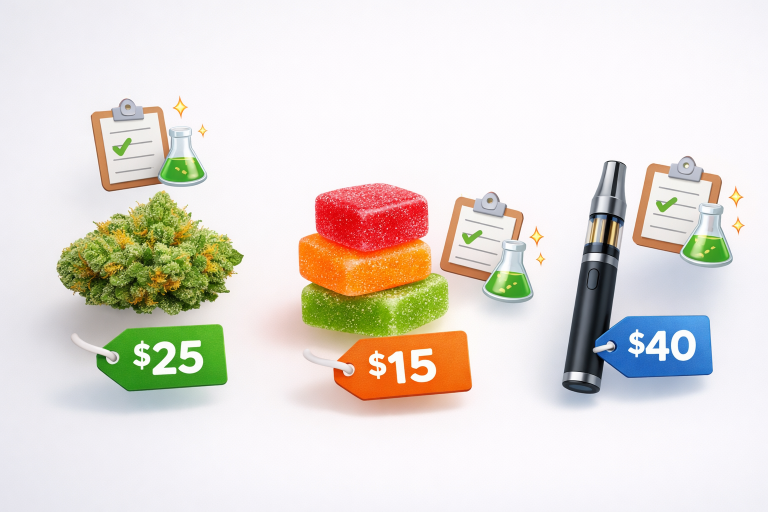
As the spectrum of available cannabinoids broadens and scientific discoveries reveal new benefits, it’s likely that the consideration for desired effects will remain top-of-mind for consumers. Many now enter retail environments armed with research, specific cannabinoid ratios in mind, and a clear outcome to achieve. Retailers are responding by offering detailed guides and educational material both online and in-store. These guides not only provide clarity on effects but also break down the differences in onset duration, user experience, and ingredients. This trend helps empower customers to make optimal choices and reduces the feeling of trial and error that once accompanied hemp product purchases for many first-time buyers.
Changing Preferences: The Shift Toward New Product Formats
Though traditional flowers retain steady interest, consumer habits are clearly shifting. Edibles are now the top choice for more than 40% of buyers, overtaking both vaporizers (22%) and smokable flower (17%). These preferences are often shaped by the desire for discretion, ease of use, and health-conscious habits. Many turn to edibles for measured dosages and minimal smell, while vapes attract users interested in portability. The increasing popularity of these formats suggests a broadening market that caters to varied demand and changing lifestyle needs.
In addition, the variety within edible and vape products has grown dramatically. From gummies and chocolates to drink mixes and sublingual strips, different consumption options are available for many types of consumers. This flowering of choices means brands can cater to vegan or sugar-conscious customers, as well as those with unique dietary requirements. Similarly, portable vape cartridges, disposable pens, and refillable systems all address the need for flexibility and sophistication in hemp consumption.
Transparency and Lab Testing: The Push for Reliable Information
Quality assurance has become a keystone of purchase decisions. New and experienced buyers frequently check for third-party lab reports, clearly labeled cannabinoid content, and details on growing and harvesting practices. This trend of seeking transparent information stems from a desire to ensure both safety and consistency in outcomes. As regulatory scrutiny intensifies, clear standards and proper labeling are increasingly critical for brands hoping to distinguish themselves and foster customer loyalty.
Growing consumer knowledge has also driven a demand for explanations regarding cannabinoid profiles, terpene breakdowns, and contaminants such as pesticides or heavy metals. Brands often share QR codes on packaging, quickly linking shoppers to Certificates of Analysis and granular data about each batch. This level of access gives peace of mind and opens a dialogue between consumers and producers, fostering a more responsible marketplace as expectations continue to rise.
Demographic Trends in Product Selection
Different demographics display distinct preferences in hemp flower product selection. For example, studies indicate that women are more likely to try edibles or products with both THC and CBD compared to men, who tend to favor traditional flower. This divergence aligns with broader trends in wellness and self-care, where certain groups seek tailored cannabinoid ratios and alternative consumption methods to suit their individual health or lifestyle goals.
Additionally, age is a strong factor influencing choice. Younger consumers often gravitate toward convenience items like vapes and pre-rolls, while older adults prefer tinctures or topical applications perceived as safer or easier on the lungs. Education level and income can further shape preferences, with more informed or affluent buyers tending to seek craft brands, premium genetics, or products with advanced certifications and ethically sourced ingredients. Understanding these nuances helps brands communicate effectively and design products that address the unique needs of targeted demographic segments.
Convenience: The Digital Age of Hemp Flower Shopping
Modern consumers value streamlined options when acquiring hemp flower goods. The rise of delivery services and e-commerce platforms has made it easier than ever to explore, compare, and purchase products online. A recent poll showed that over half of shoppers prefer delivery when buying marijuana or hemp-related products—a clear indication of the value placed on ease of access and rapid fulfillment in today’s marketplace.
Alongside delivery convenience, online education and community forums play a growing role in the customer journey. Interactive websites, live chat support, and user-generated reviews allow buyers to learn from real experiences before they commit. As apps and subscription models become more prevalent, it’s expected that recurrent, tailored deliveries will soon become the norm for many hemp flower enthusiasts, further enhancing convenience and customer retention in this fast-moving sector.
Conclusion
The dynamic hemp flower market reflects the changing needs and preferences of its growing consumer base. With multiple product types and an emphasis on both affordability and reliable effects, buyers are now savvier than ever. As transparent practices and demographic targeting evolve, producers who prioritize quality, clear information, and convenience will be best positioned for continued growth. Remaining informed about these industry shifts helps buyers confidently navigate options and ensures producers can effectively respond to real-world consumer trends.