

Why Parents Consider Braces Early
Braces for kids in Culver City are often recommended when a child’s teeth show early signs of crowding or misalignment.
For many parents, the decision comes after hearing a dentist mention words like “overbite” or “spacing issues.”
I remember when my neighbor’s son was eight and couldn’t bite into an apple without struggling—it was then she realized orthodontic care was necessary. That real-life moment sparked her journey into exploring treatment options, which eased her worry about long-term dental health.
If you’re wondering about timing, most orthodontists agree that ages seven to ten are ideal for an initial evaluation. At this stage, the jaw is still growing, making it easier to guide teeth into proper alignment.
You can even check out this guide on braces for kids in Culver City to learn about important steps before treatment begins.
Understanding Early Orthodontic Care
When parents hear the term “early intervention,” they might picture heavy metal braces.
In reality, the process often begins with simple appliances like expanders or partial braces. These tools help prepare the mouth for permanent teeth, reducing the need for more complex treatment later.
Take the case of a classmate of my daughter. She wore a palate expander for six months, and by the time her adult teeth came in, she needed only short-term braces instead of years of treatment.
Stories like these highlight why proactive care pays off.
Signs Your Child Might Need Braces
Parents don’t need professional training to notice possible orthodontic concerns. Some common red flags include:
- Early or late loss of baby teeth
- Difficulty chewing or biting
- Mouth breathing
- Thumb sucking past age six
- Noticeable crowding or gaps
One dad I spoke with shared that his daughter often covered her mouth when smiling. That lack of confidence was the sign he needed to schedule an orthodontic consultation.
What to Expect at the First Consultation
A first orthodontic visit is usually relaxed and informative. The orthodontist checks bite alignment, spacing, and jaw growth using X-rays or digital scans.
Children often enjoy seeing their teeth on screen for the first time—it makes the process feel less intimidating.
Parents receive a clear treatment roadmap, including the expected length of care and available appliance options. Hearing real examples of timelines helps manage expectations.
For instance, one parent was surprised to learn her child would only need braces for about 14 months instead of the three years she imagined.
Types of Braces Available for Kids
Advancements in orthodontics mean children have more choices than ever. Some of the most common options include:
Traditional Metal Braces
These are smaller and more comfortable than they used to be. Kids often enjoy choosing colorful bands, which turns each adjustment visit into something fun.
Ceramic Braces
Clear brackets make them less noticeable. They are popular with older children who feel self-conscious about appearance.
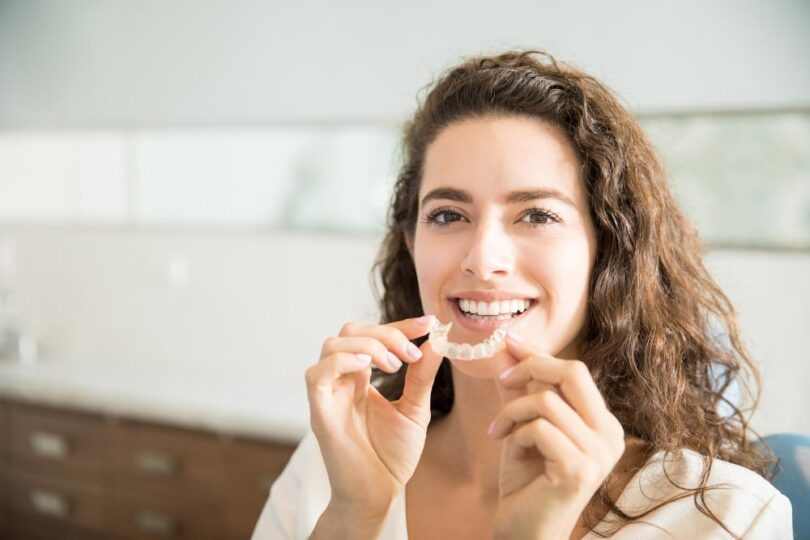
Clear Aligners
While not suitable for every case, clear aligners are removable and convenient. Parents like them because oral hygiene is easier, but responsibility is key—kids must wear them consistently.
Daily Life With Braces
Life with braces does take adjustment. Certain foods—like sticky candy, hard nuts, or crunchy chips—can damage brackets or wires.
A family I know started cooking softer meals like pasta and mashed potatoes during the first few weeks, making the transition smoother.
Oral hygiene also becomes more important. Using floss threaders and special toothbrushes helps prevent plaque buildup.
One mom mentioned she created a nightly “brace-care routine” with her son, turning it into a bonding experience.
Cost and Insurance Considerations
Orthodontic treatment can feel like a financial challenge, but many clinics offer flexible payment plans.
Some dental insurance plans cover part of the cost, especially for children under a certain age. Parents often share that breaking payments into monthly installments makes the process manageable.
Think of it as a long-term investment in your child’s health and confidence. The cost spreads over several years, while the results last a lifetime.
How Braces Build Confidence
Beyond straighter teeth, braces transform how kids feel about themselves.
Children who once avoided smiling often beam with pride once treatment is complete.
I recall a boy in our community who, after getting his braces off, volunteered to read aloud in class for the first time. The change in self-esteem was remarkable.
Confidence also carries into teenage years and adulthood, shaping social interactions and even career opportunities. Parents often find that this emotional payoff is just as important as the physical benefits.
Supporting Your Child Through Treatment
Kids thrive when they feel supported.
Simple actions—like celebrating milestones, buying soft foods during tough adjustment days, or complimenting their smile—make a big difference.
Parents who stay positive help children view the process as an exciting step, not a burden.
One family even threw a small “braces off” party with cupcakes and photos, creating a memory their daughter still talks about years later.
Little gestures like that turn orthodontic care into a journey worth remembering.
Final Thoughts for Parents in Culver City
Braces are more than just a cosmetic fix—they’re about health, confidence, and setting up your child for success.
Catching issues early can shorten treatment time and make the process smoother. With the right guidance, kids adapt quickly and even enjoy parts of the journey.
Parents in Culver City have access to skilled orthodontists who understand the needs of growing children.
If you notice signs of crowding, spacing, or bite problems, scheduling a consultation is the first step. The peace of mind that comes with knowing your child is on the right track is priceless.