
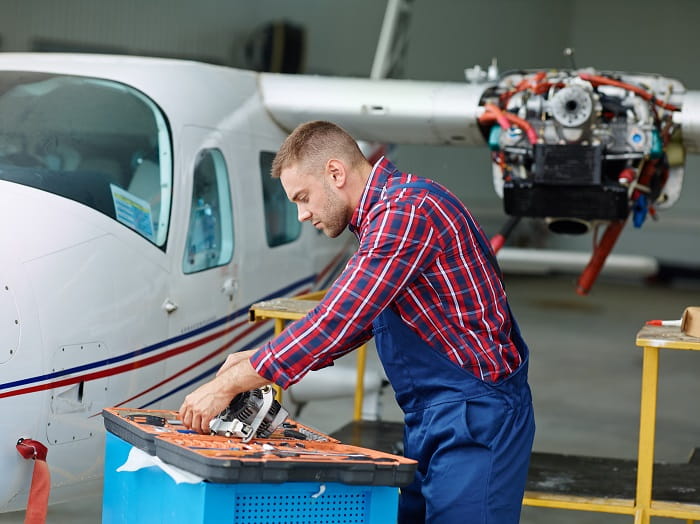

Helicopter turbine engines operate under extreme conditions, exposing internal components to airborne particles, moisture, and debris that can accumulate over time. These contaminants degrade engine performance, reduce fuel efficiency, and increase maintenance costs if left unaddressed. Understanding the proper methods for removing contaminants is essential for operators and maintenance teams who want to keep aircraft safe and mission-ready.
This article explores the practical techniques and procedures used to clean helicopter turbine engines effectively.
Understanding Common Contaminants
Helicopter turbine engines face contamination from multiple sources throughout their operational life. Sand, dust, and salt particles enter through the air intake system and settle on compressor blades, combustor liners, and turbine sections.
Moisture accumulation creates corrosion on internal surfaces and can freeze at high altitudes, causing compressor stalls. Oil residue, carbon buildup, and metallic particles from component wear also accumulate inside the engine, restricting airflow and reducing combustion efficiency.
Each contaminant type requires specific removal strategies to prevent engine damage and maintain performance standards. Operators must identify the type of contamination present before selecting an appropriate cleaning method.
Borescope Inspection Procedures
Borescope inspection is the first critical step in assessing engine contamination levels. A borescope is a flexible optical tool inserted through engine access ports to visually inspect internal components without complete engine disassembly.
Technicians can identify carbon deposits on fuel nozzles, corrosion on compressor blades, and debris accumulation in turbine stages. This non-destructive inspection saves time and money compared to full teardowns while providing detailed information about contamination severity.
High-resolution borescope cameras produce images and video footage that document the engine’s internal condition for maintenance records. Regular borescope inspections establish baseline conditions and help track contamination progress between major overhauls.
Water Washing and Wet Cleaning
Water washing is one of the most effective methods for removing salt deposits and water-soluble contaminants from turbine engines. A controlled spray of distilled or demineralized water is directed through the engine while it runs at idle or low power settings, allowing the water to dissolve and flush out accumulated salt particles.
This technique is particularly valuable for helicopters operating in coastal environments or desert regions where salt spray and sand ingestion are common. The water flows through compressor stages, combustor sections, and turbine areas, carrying away contaminants that drain through engine sumps.
During scheduled compressor wash procedures, maintenance crews rely on tronair engine compressor washers to ensure consistent fluid delivery and thorough cleaning across all compressor stages. After water washing, the engine runs at gradually increasing power levels to evaporate residual moisture.
Chemical Cleaning Solutions
Chemical cleaning uses specialized solvents formulated to break down and dissolve carbon deposits, oil residue, and corrosion that water alone cannot remove. Aircraft maintenance facilities apply these approved chemical solutions through the fuel system or compressor intake under controlled conditions.
Common cleaning agents include detergent-based compounds that suspend particles without damaging engine materials such as aluminum, titanium, and steel. Chemical cleaning is typically performed during scheduled maintenance intervals when the engine can be isolated from the aircraft.
Engine manufacturers specify approved cleaning chemicals to ensure compatibility with seals, gaskets, and internal coatings. The process requires careful adherence to safety protocols and environmental disposal procedures.
On-Condition Cleaning and Condition Monitoring
On-condition cleaning involves removing contaminants based on actual engine condition rather than preset maintenance intervals. Modern helicopter operators use condition monitoring systems that track engine parameters such as exhaust gas temperature, compressor discharge pressure, and fuel consumption trends.
When these parameters indicate contamination is affecting performance, maintenance teams perform targeted cleaning procedures. This approach reduces unnecessary maintenance while ensuring contaminants do not accumulate to dangerous levels.
Engine trend data helps predict when cleaning will be most beneficial, optimizing maintenance scheduling and reducing downtime. On-condition programs require trained personnel who can interpret engine diagnostics and determine appropriate cleaning methods.
High-Pressure Air Cleaning
High-pressure compressed air is used to dislodge loose debris and particles from engine surfaces without using liquids. Technicians direct compressed air through compressor stages and turbine sections while the engine is not operating, using carefully controlled pressures to avoid damage to delicate blade surfaces.
This method works well for removing dust and sand particles that have not bonded to engine surfaces. The procedure is faster than water or chemical cleaning for certain contamination types and leaves no liquid residue.
High-pressure air cleaning is often combined with other methods as part of a comprehensive engine maintenance program. Safety equipment and proper ventilation are essential since the process can generate noise and blow contaminated particles into the surrounding work area.
Conclusion
Removing contaminants from helicopter turbine engines requires a systematic approach that combines inspection, assessment, and targeted cleaning techniques. Borescope inspections establish baseline conditions and guide maintenance decisions, while water washing, chemical cleaning, and air pressure methods address different contamination types effectively.
Modern on-condition monitoring programs allow operators to perform cleaning based on actual engine condition rather than arbitrary time intervals, improving efficiency and aircraft availability. Proper training, adherence to manufacturer specifications, and use of approved materials are essential for safe and effective contamination removal.
By implementing these proven procedures, helicopter operators can extend engine life, maintain performance standards, and ensure reliable aircraft operations for years to come.