
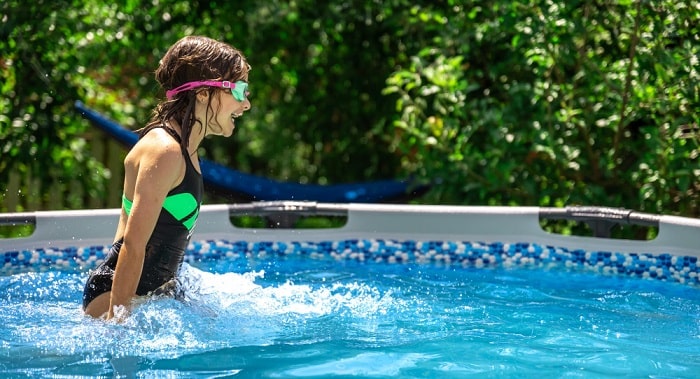

Picture this: another beautiful weekend morning spent wrestling with pool cleaning equipment instead of enjoying your backyard oasis. If you’re like many homeowners, the tedious task of manual pool vacuuming has become a dreaded weekly ritual that consumes valuable leisure time. The physical strain of pushing heavy vacuum heads and managing unwieldy hoses only adds to the frustration of maintaining your pool’s pristine condition.
Fortunately, modern automatic pool cleaner vacuum have emerged as a revolutionary solution to these common maintenance headaches. These smart devices represent a significant leap forward in pool care technology, offering autonomous operation that transforms hours of manual labor into effortless maintenance. By understanding the latest innovations in robotic pool cleaning, homeowners can reclaim their weekends while ensuring their pools remain consistently clean and inviting.
In this comprehensive guide, we’ll explore the game-changing features of automatic pool cleaners, provide essential selection criteria for different pool types, and reveal maintenance strategies that maximize their effectiveness. Whether you’re tired of constant manual cleaning or seeking a more efficient way to maintain your pool, you’ll discover how these innovative devices can deliver the pristine pool you desire with minimal effort on your part.
Why Robotic Pool Cleaners Revolutionize Home Maintenance
The shift from manual pool cleaning to robotic solutions represents one of the most significant advances in pool maintenance technology. While traditional manual vacuuming typically consumes 2-3 hours weekly, modern cleaners like the iGarden series accomplish the same task in just 1-2 hours while requiring no direct supervision. This dramatic reduction in hands-on maintenance time allows homeowners to focus on actually enjoying their pools rather than constantly maintaining them.
Beyond the obvious time savings, robotic cleaners demonstrate remarkable energy efficiency compared to pressure or suction-side alternatives. Operating on low-voltage electricity, these autonomous units consume roughly 60-70% less energy than pump-dependent systems, translating to noticeable reductions in monthly utility costs. Their independent operation also reduces wear on the pool’s main filtration system, extending its lifespan and decreasing maintenance requirements.
From a financial perspective, the initial investment in a robotic cleaner typically pays for itself within 2-3 seasons through reduced maintenance costs, lower energy consumption, and decreased chemical usage. When factoring in the value of reclaimed personal time and the consistent, professional-level cleaning results, the long-term benefits become even more compelling. For homeowners seeking to simplify pool ownership while maintaining pristine conditions, robotic cleaners represent the ideal intersection of convenience, efficiency, and reliability.
Critical Features Explained: Smart Technology Breakdown
Turbine-Grade Impeller Systems
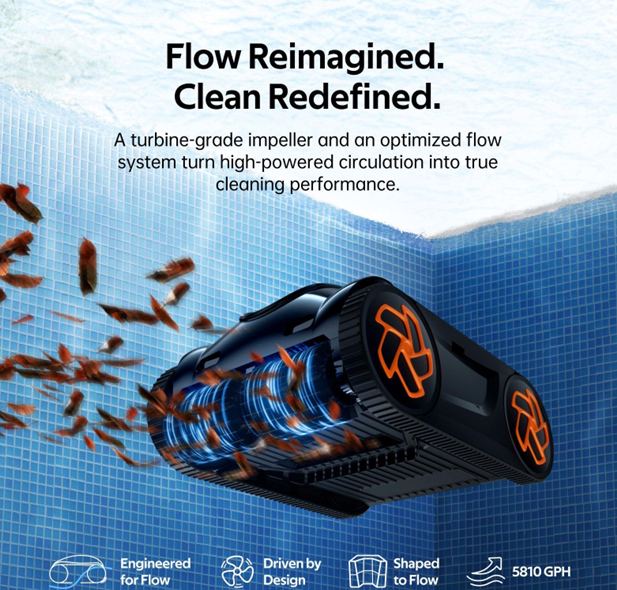
At the heart of modern automatic pool cleaners lies advanced turbine-grade impeller technology, engineered to handle substantial debris while maintaining optimal energy efficiency. These systems generate powerful suction using specially designed blade configurations that prevent clogging even when processing large leaves and twigs. The industrial-grade materials used in these impellers ensure sustained performance under demanding conditions, while their precision engineering reduces energy consumption by up to 40% compared to traditional pump systems.
Adaptive Mobility Navigation
Today’s automatic pool cleaners employ sophisticated navigation algorithms that enable seamless movement across all pool surfaces. Advanced gyroscopic sensors continuously map the pool’s topology, allowing the cleaner to navigate walls and stairs with remarkable precision. Smart obstacle detection systems prevent entanglement with drain covers or lights, while intelligent scanning ensures complete coverage of irregular pool shapes. These units can automatically adjust their cleaning patterns based on pool size and configuration, ensuring no area is missed during the cleaning cycle.
Smart Filtration Technology
Revolutionary filtration systems in modern pool cleaners capture particles as small as 2 microns, significantly outperforming standard pool filters that typically catch only particles larger than 20-30 microns. These advanced filters feature multiple layers of fine-mesh materials that trap both large debris and microscopic contaminants. Self-cleaning mechanisms automatically backwash the filters during operation, preventing clogs and maintaining consistent suction power. Many units now include filter-full indicators and quick-release canisters that make maintenance as simple as emptying a vacuum cleaner bag, dramatically reducing the time and effort required for upkeep.
Selection Guide: Finding Your Ideal Automatic Pool Cleaner
Selecting the perfect automatic pool cleaner begins with accurately measuring your pool’s dimensions. For pools under 40 feet in length, standard residential models offer sufficient coverage, while larger pools require commercial-grade units with extended battery life and enhanced debris capacity. Consider both the surface area and depth, as these factors directly impact cleaning efficiency and cycle duration.
Understanding your pool’s typical debris profile is crucial for optimal cleaner selection. Areas with heavy tree coverage demand robust units with large collection baskets and powerful suction to handle leaves and twigs. Conversely, pools primarily dealing with sand, dust, or pollen benefit more from models specializing in fine particle filtration. The best cleaners feature dual filtration systems that effectively manage both types of debris.
Surface compatibility represents a critical decision factor that directly affects cleaning performance and pool longevity. Vinyl pools require cleaners with softer wheels and gentler brushes to prevent liner damage, while concrete pools can accommodate more aggressive cleaning mechanisms. Fiberglass pools benefit most from cleaners with specialized brush materials that enhance grip without scratching. Always verify manufacturer specifications for surface compatibility before making your selection.
When evaluating smart features, prioritize capabilities that align with your lifestyle needs. Remote operation through smartphone apps offers convenience for busy homeowners, while scheduled cleaning cycles ensure maintenance occurs even during extended absences. Advanced navigation systems prove particularly valuable for irregularly shaped pools or those with complex obstacles.
Finally, balance your budget against long-term performance requirements. While premium models command higher initial costs, their superior energy efficiency, reduced maintenance needs, and extended durability often justify the investment. Consider warranty coverage, replacement part availability, and service support when calculating total ownership costs. Many manufacturers offer financing options that make higher-end models more accessible while delivering immediate maintenance benefits.
Optimizing Performance: Maintenance and Usage Tips
Establishing the right cleaning frequency forms the foundation of effective automatic pool cleaner operation. For residential pools under typical use, running your cleaner 2-3 times per week during peak season ensures optimal water clarity while preventing debris accumulation. During fall months or in areas with heavy foliage, daily cleaning cycles may be necessary to manage increased debris loads. Scheduling cleanings during off-peak electricity hours maximizes cost efficiency while maintaining consistent cleanliness.
Regular filter maintenance directly impacts cleaning performance and unit longevity. Empty collection baskets after each cleaning cycle and thoroughly rinse filter cartridges weekly using a garden hose to remove trapped particles. Inspect filter elements monthly for signs of wear or damage, replacing as needed to maintain optimal filtration. Deep clean filters quarterly using manufacturer-approved cleaning solutions to remove oils and fine sediments that regular rinsing may miss.
Proper storage practices significantly extend your cleaner’s operational life. After each use, remove the unit from the pool, drain all water, and store in a shaded, dry location away from direct sunlight. During extended periods of non-use, clean and dry all components thoroughly, disconnect power cables, and store in a climate-controlled environment. For seasonal storage, consider professional servicing to inspect critical components and address potential maintenance needs before the next swimming season.
When encountering operational issues, start with basic troubleshooting steps. If the unit shows reduced cleaning effectiveness, check for and clear any blockages in the intake ports or filter system. For mobility problems, inspect wheels and tracks for debris accumulation or wear. Address error codes promptly by consulting your owner’s manual and contacting manufacturer support for persistent issues. Regular maintenance checks prevent most common problems, ensuring reliable operation throughout the swimming season.
The Future of Pool Maintenance: Smart, Efficient, and Hassle-Free
The evolution of automatic pool cleaners has fundamentally transformed pool maintenance from a time-consuming burden into an effortless experience. These innovative devices deliver professional-grade cleaning results while dramatically reducing the physical and time demands on homeowners. Through advanced features like turbine-grade impellers, adaptive navigation systems, and smart filtration technology, modern pool cleaners consistently outperform traditional cleaning methods while operating with remarkable efficiency.
The key to maximizing these benefits lies in selecting the right cleaner for your specific needs, considering factors such as pool size, surface type, and typical debris patterns. By matching these capabilities to your pool’s requirements and following recommended maintenance practices, you can ensure optimal performance and longevity from your investment. As pool cleaning technology continues to advance, homeowners can look forward to even more sophisticated solutions that make pool ownership increasingly enjoyable and hassle-free.
With the right automatic pool cleaner in place, you can finally bid farewell to those lost weekends of manual cleaning and instead focus on what matters most – creating lasting memories with family and friends in your crystal-clear pool. The future of pool maintenance is here, and it’s smarter, more efficient, and more accessible than ever before.