
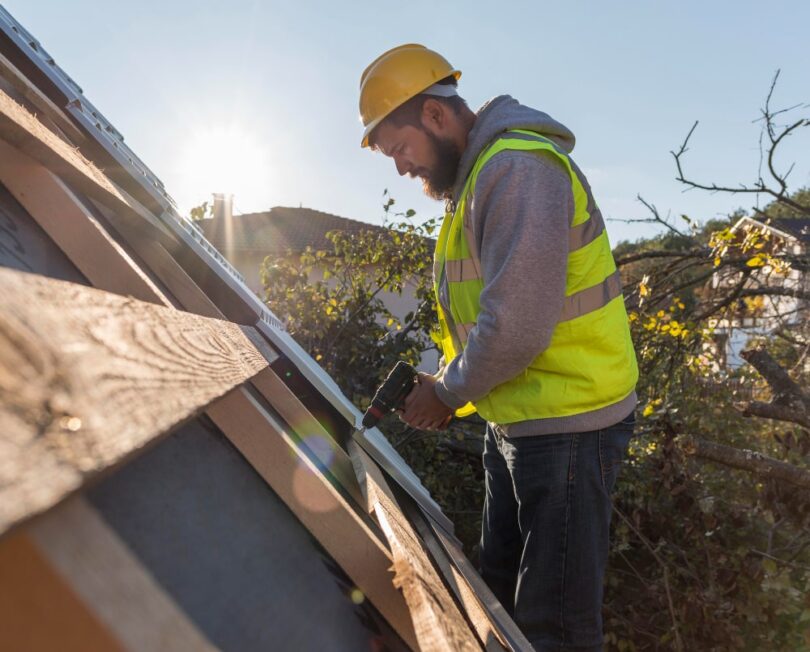

A roof protects your home from weather, pests, and the elements year-round, yet most homeowners don’t think about replacing it until something goes wrong. Choosing the right time to schedule a roof replacement isn’t just about convenience or budget. Timing can affect the quality of the work, the speed of installation, and how well your new roof performs over its lifetime. Understanding the seasonal factors that impact roofing projects helps you make a smarter decision for your home and wallet.
Spring: Ideal Weather and Contractor Availability
Spring is widely considered one of the best seasons for roof replacement because the weather is predictable and mild. Temperatures during spring typically range between 50 and 70 degrees Fahrenheit, which is ideal for roofing work. Roofers can install shingles, flashing, and underlayment without worrying about extreme heat that might warp materials or extreme cold that could make them brittle and prone to breaking. The moderate conditions also mean workers can move safely on the roof without battling harsh sun exposure or slippery ice patches.
Spring also offers a major advantage in contractor availability. Since winter weather has often delayed projects, many homeowners schedule replacements for spring, which means you’ll have more choices among local contractors. However, this popularity also means you should book early to secure your preferred roofer and timeline. Getting estimates in late winter gives you the best chance of starting before the busy season peaks, and a new roof installed in spring will be well-established before the challenges of fall and winter arrive.
Summer: Speed of Installation and Extended Daylight
Summer presents unique advantages for roof replacement, particularly longer daylight hours that allow roofers to work earlier in the morning and later into the evening. This extended work window means your project may be completed faster than during other seasons, reducing the number of days your home is without full roof protection. Contractors can often finish residential replacements in one to three days during summer, whereas poor weather or shorter days in other seasons might stretch the timeline considerably.
The warm, dry conditions of summer also allow adhesives and sealants to cure more effectively, and roofing materials tend to bond better in the heat, producing a stronger finished product. However, extreme heat does pose challenges, as asphalt shingles can become soft and difficult to work with when temperatures exceed 85 degrees Fahrenheit. If you choose summer, aim for early in the season before peak heat arrives, or select a cooler climate region where summer temperatures remain moderate throughout the workday.
Fall: Lower Contractor Costs and Mild Weather
Fall offers an often-overlooked advantage for roof replacement: reduced costs. As the roofing season winds down after the busy spring and summer months, contractors may offer discounts to keep their crews active and maintain steady workflow through autumn. The fall weather is generally cool and comfortable, similar to spring, with temperatures typically hovering between 50 and 70 degrees and lower humidity than summer. These conditions make materials easier to handle and less likely to absorb moisture during installation.
Replacing your roof in fall also means your new roof will face winter weather soon after installation, which can be beneficial since your contractor will ensure all flashings, gutters, and seals are properly secured before cold months arrive. Homeowners managing time-sensitive projects before winter sets in rely on Austin Roofing Replacement to ensure installations are completed with proper sealing and flashing secured against cold weather. However, you should schedule fall replacements early enough to avoid competing with winter conditions, as late fall projects risk running into cold snaps, rain, or early snow that can delay completion and compromise workmanship. Aim for September or early October in most climates to ensure the job finishes before winter weather patterns develop.
Winter: Drawbacks and Limited Options
Winter is generally the least favorable season for roof replacement, though it is not impossible if circumstances require it. Cold temperatures make roofing materials brittle and harder to install, increasing the risk of cracking shingles or damaging underlayment during the process. Asphalt shingles in particular become stiff and inflexible in cold weather, making them prone to breaking and potentially compromising the integrity of your new roof. Snow, ice, and rain also create safety hazards for workers and can result in project delays that push completion well into spring.
Another consideration is that contractors have fewer available crews during winter because demand drops significantly, meaning fewer qualified roofers are working and those who are may carry heavier workloads. Rain or snow can also enter your home more easily while roof work is underway, creating additional risk during the replacement process. Choose winter for your roof replacement only if you are facing an emergency or if your roof is actively leaking and threatening structural damage. Otherwise, waiting for milder weather will likely result in better quality work and a more reliable installation.
Planning Your Roof Replacement Timeline
Deciding on the best time to replace your roof requires balancing weather conditions, contractor availability, and your specific circumstances. If your roof is not currently leaking or damaged, you have the flexibility to choose a season that maximizes quality and minimizes cost. Contact several local roofing contractors in late winter or early spring to get estimates and discuss availability, and ask for recommendations tailored to your area’s specific climate patterns. Some regions experience different seasonal rhythms, so a contractor familiar with local weather can provide insight into timing considerations unique to your location.
Budget and urgency also play important roles in this decision. If you have noticed roof damage, missing shingles, or water stains indoors, prompt action prevents more expensive water damage and structural problems down the line. If your roof is aging but not yet failing, you can be more strategic and pursue replacement during spring or fall when weather and costs are most favorable. Keeping a maintenance log of your roof’s condition throughout the year helps you identify problems early and make a well-informed decision about when replacement becomes necessary.
Conclusion
The best time to replace your roof depends on your climate, budget, and the condition of your current roof. Spring and fall generally offer the most favorable combination of mild weather, contractor availability, and installation conditions. Summer works well if you prioritize speed and can avoid peak heat, while winter should be reserved for emergency situations only. Start planning your roof replacement project several months in advance, gather multiple contractor estimates, and discuss timing options with experienced roofing professionals in your area. By selecting the right season and preparing early, you can ensure that your new roof is installed with quality craftsmanship and performs reliably for decades to come.