

There is a pattern that most people who train regularly will recognise. Something in the shoulder or knee starts complaining, you ease off for a week or two, it settles, you go back to full training, and it comes back. The cycle continues until it becomes a real problem. Part of what keeps that loop going is a gap in early diagnosis. Getting a proper scan has traditionally meant long waits, specialist referrals, or costs that put people off. That is beginning to shift.
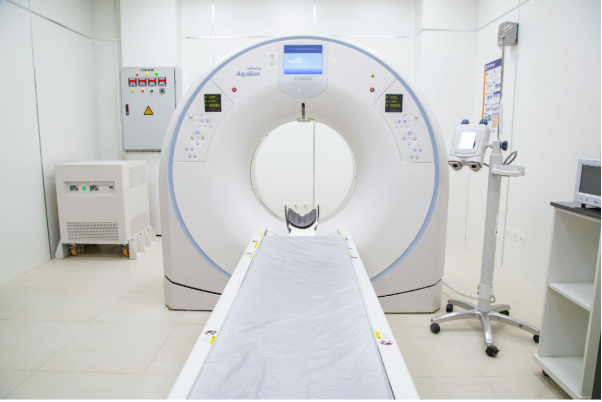
MRI has been the gold standard for soft tissue diagnosis in sports medicine for decades, but access to it has been uneven. The technology has long been concentrated in large hospitals and imaging centres, partly because the equipment costs involved in setting up a facility were prohibitive for smaller clinics. The expanding market for refurbished mri machines has changed that dynamic meaningfully. Properly restored systems, rebuilt to original manufacturer specifications, with tested magnets, coils, and electronics, now allow sports medicine clinics and private practices to offer diagnostic imaging that was previously out of their reach.
The result, for active people, is more straightforward than it might sound: a sports clinic near you is more likely than it was five years ago to have the equipment needed to give you a real answer about what is going on in your body, rather than a best guess based on symptoms alone.
What MRI Shows That Other Scans Cannot
X-rays are essential for bones. Ultrasound handles tendons and surface-level soft tissue reasonably well. MRI occupies a different category when it comes to the structures that cause most fitness-related pain: cartilage, ligaments, the labrum, bursae, and deep muscle tissue. The level of detail it captures makes it possible to distinguish between injuries that present similarly but require completely different treatment.
Why That Distinction Matters for Recovery
A shoulder that aches after training could involve a rotator cuff tear, a labral lesion, AC joint irritation, or some combination. Each has a different recovery timeline and a different rehabilitation approach. Managing all of them the same way, generic rest and physio, often means months of slow progress because the actual injury was never properly identified. MRI removes much of that guesswork and makes it possible to build a recovery plan around what is actually happening rather than what seems most likely.
A Broader Shift in How Imaging Gets Distributed
The uneven distribution of diagnostic imaging has been a recognised problem in global healthcare for years. According to the World Health Organization, vast gaps in access to medical imaging still exist across healthcare systems worldwide. The refurbished medical equipment sector directly addresses part of that gap, not just in underserved regions, but in the mid-tier facilities across Europe and beyond where budget constraints have historically limited diagnostic capability.
Suppliers of Refurbished Medical Imaging Equipment, covering MRI, CT, ultrasound, and X-ray systems, have made it viable for facilities that couldn’t previously justify a new imaging suite to build out genuine diagnostic capacity. Agito Medical, one of the established names in this space, works with hospitals, clinics, and specialist practices to supply certified refurbished systems with warranties and ongoing technical support. That infrastructure matters for patients because it means the quality of your diagnosis is less dependent on which postcode you happen to live in.
For anyone who trains seriously, the most useful takeaway is simple: if an injury is not responding the way it should, an MRI scan is worth pursuing sooner rather than later. The barriers to getting one have come down, and the information it provides can make the difference between a recovery that stalls and one that actually works.