
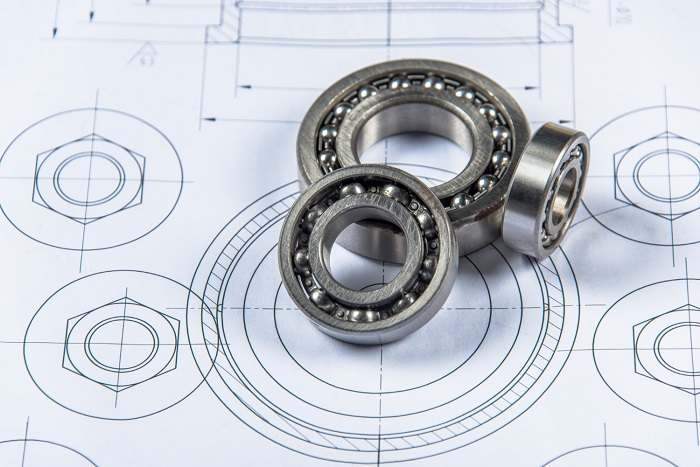

Choosing reliable ball bearings is crucial to the operational success of any industry. When companies invest time and resources in selecting high-quality bearings, they secure long-term savings by reducing the frequency of maintenance and the risk of abrupt failures that could halt production. Staying informed and up to date with industry best practices further ensures operational efficiency and maximizes safety, protecting both equipment and personnel. In short, informed choices combined with current technical knowledge pave the way to a more productive and safer industrial environment.
Selecting Reliable Bearings: Quality Criteria, Supplier Reputation, and Lifecycle Assurance
Choosing reliable ball bearings is crucial to the operational success of any industry.
When companies invest time and resources in selecting high-quality bearings, they secure long-term savings by reducing the frequency of maintenance and the risk of abrupt failures that could halt production.
Staying informed and up to date with industry best practices further ensures operational efficiency and maximizes safety, protecting both equipment and personnel.
In short, informed choices combined with current technical knowledge pave the way to a more productive and safer industrial environment.
Characteristics of High-Quality Bearings
Durable, High-Strength Materials
Material selection is fundamental. Industrial duty requires materials with high wear and corrosion resistance, ensuring longer service life and reduced maintenance and replacement costs.
Precision Manufacturing and Finish
Tight tolerances and high-quality surface finishes enable smooth, efficient operation, minimizing friction, excessive heat, vibration, and noise—key to silent, reliable mechanisms.
Compliance with International Standards
Bearings should meet recognized standards and certifications (e.g., ISO). Third-party certification validates material selection, production processes, and quality testing, confirming safety, reliability, and performance.
Adopting bearings with these attributes is a strategic step toward higher uptime, longer equipment life, and sustained productivity.
Reputable Brands in the Bearing Market
Why Choose Proven Manufacturers
Selecting well-established manufacturers is a strategic decision. Their track record, R&D investment, and application know-how translate to bearings that withstand demanding industrial duty and deliver consistent results.
Leverage User Feedback and Field Reviews
Analyzing customer feedback and field evaluations offers an unfiltered view of real-world performance—highlighting strengths, weaknesses, durability, maintainability, and quality of technical support.
Benefits of Certified, Recognized Suppliers
Working with certified suppliers (e.g., ISO-certified plants) reinforces confidence in product quality and safety. Such suppliers typically provide stronger warranties and responsive technical support, accelerating resolution when issues arise.
Signs of Wear and Bearing Failures
- Excessive noise and vibration: Often indicate internal wear, surface damage, or misalignment.
- Abnormal temperature rise: Suggests lubrication problems, overloading, or internal defects.
- Surface irregularities: Spalls, cracks, corrosion, or deformation discovered during inspection.
Unchecked wear compromises equipment, reduces productivity, and increases total cost of ownership. Routine inspections and condition data analysis (e.g., vibration trends) are essential. Online sensors/IoT systems enable real-time monitoring of temperature, vibration, and acoustics to detect issues early and prevent unplanned downtime.
Preventive Maintenance Practices
- Lubricate correctly and regularly: Use the right oil/grease for load, speed, and environment; maintain scheduled relubrication; avoid over/under-lubrication.
- Control contamination: Keep work areas clean; use appropriate seals/shields; prevent ingress of dust, moisture, and chemicals.
- Verify fit, alignment, and preload: Follow OEM specifications for mounting, torque, and shaft/housing tolerances.
- Maintain an inspection schedule: Periodic checks reduce the likelihood of unexpected failures and extend service life.
Bearing Test and Inspection Methods
Qualification and Bench Testing
- Fatigue life testing: Verifies resistance to cyclic loading.
- Strength/rigidity tests: Confirm load-carrying capability and structural integrity.
Condition Monitoring and Predictive Analytics
- Vibration analysis, thermography, and acoustic monitoring provide early indicators of defects.
- IoT-enabled systems stream real-time data (temperature, vibration, noise), enabling predictive maintenance and timely interventions.
Routine Visual and Dimensional Inspections
Regular inspections for cracks, corrosion, deformation, and lubricant condition are core to any predictive maintenance plan and help keep bearings within optimal operating conditions.
Conclusion
Selecting quality bearings is central to efficient machine performance.
Key actions include:
- Choosing reputable manufacturers with recognized certifications and proven quality systems;
- Matching materials and specifications (load capacity, speed ratings) to the application;
- Ensuring correct installation and regular maintenance (especially lubrication and contamination control);
- Staying current with industry best practices, training, and new technologies.
Investing in high-quality bearings—and staying informed—yields long-term savings, higher efficiency, and improved safety. Make the right bearing choice and continuously update practices, and you will see enduring, positive results across your operations.