
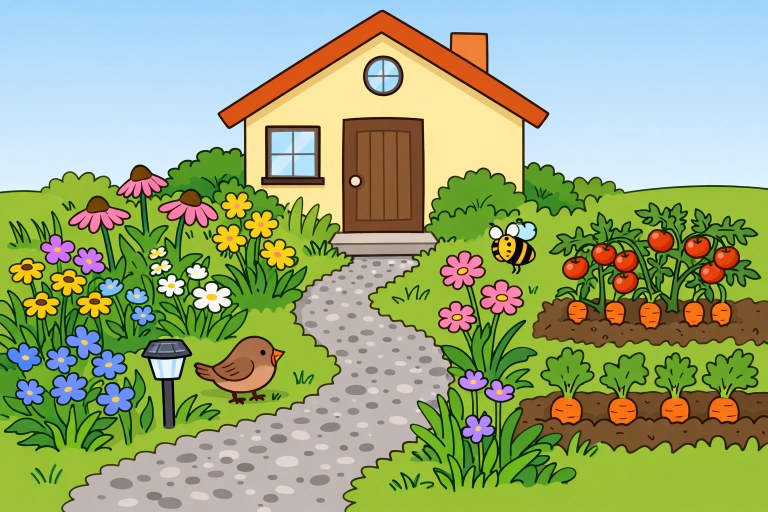

Table of Contents
- Introduction
- Embracing Native Plantings
- Adopting Gravel Gardens
- Implementing Low-Maintenance Designs
- Integrating Eco-Friendly Outdoor Lighting
- Creating Wild and Naturalistic Gardens
- Utilizing Smart Irrigation Systems
- Incorporating Edible Landscaping
- Conclusion
Modern gardeners are waking up to the pressing need for eco-friendly landscapes that conserve resources and support local ecosystems. Homeowners increasingly want outdoor spaces that are both visually striking and gentle on the planet. From using smart technology to rethinking plant choices, the new generation of gardens makes it easier to care for the earth without compromising on style. Innovative solutions, such as working with experienced masonry contractors, offer even more options for creativity and sustainability in outdoor design.,
Sustainable landscaping is about more than appearance. It’s a philosophy that fits today’s needs, from conserving water to providing habitats for wildlife. As ecological concerns grow, so too does the movement to design gardens that are both functional and beautiful. The result is a fresh set of trends changing how we think about everything from lawns to lighting.
Embracing Native Plantings
Native plants are quickly moving from niche to mainstream in landscape design. These species are naturally suited to local climates, which means they need considerably less water and ongoing care. Native gardens can flourish with minimal fertilizers and irrigation, making them attractive for anyone hoping to save time and money while advancing sustainability. Planting native wildflowers, shrubs, and trees also helps rebuild crucial habitat for birds, bees, and pollinators, strengthening the regional ecosystem and increasing resilience against pests.
Adopting Gravel Gardens
Water-smart landscaping is capturing the attention of homeowners everywhere. Gravel gardens, for example, swap traditional lawn grass for drought-tolerant perennials and decorative crushed stone. By doing so, these gardens dramatically lower water consumption and routine maintenance. In addition to their eco-friendly appeal, gravel gardens give yards a striking, modern vibe and are especially useful for areas with poor or compacted soils.
Implementing Low-Maintenance Designs
Today’s busy homeowners prefer landscapes that deliver impact without overwhelming them with chores. Low-maintenance gardens start with choosing varieties that suit the local soil and climate. Perennials that bloom at different times can maintain a lively display with less effort, while ornamental grasses contribute texture and need little care after establishment. Mulching and ground covers are other popular elements that lock in moisture and prevent weeds naturally. These designs set up gardens to thrive with less watering, pruning, or fertilizer, creating ongoing benefits for people and the environment.
Integrating Eco-Friendly Outdoor Lighting
As sustainability takes hold outdoors, eco-friendly lighting is transforming how evenings look in the garden. New trends include solar fixtures, low-energy LED lights, and motion-sensor technology that only activates when needed. Designs increasingly use organic shapes and materials to blend seamlessly with the landscape, while layered lighting highlights key features without excessive glare. Not only do these solutions reduce electricity use, but they also help limit light pollution that can disrupt local wildlife. For an in-depth look at smart outdoor lighting, visit this Washington Post guide.
Creating Wild and Naturalistic Gardens
Whimsical, “overgrown” gardens are taking over from crisp, manicured lawns. The modern, wild garden brings together plants of varying heights for an authentic, textured appearance, using self-seeding annuals and diverse perennials. This relaxed approach reduces both chemical and water inputs, as the plants, once established, form harmonious microecosystems. Layering plants in this way supports pollinators, birds, and helpful insects. Homeowners find wild gardens require less intervention and offer a more resilient, natural landscape over time.
Utilizing Smart Irrigation Systems
Technological advances are making landscape watering far more efficient. Smart irrigation systems feature soil moisture sensors and can adjust watering based on weather conditions, supplying only as much water as the plants need. These systems slash water waste and often integrate seamlessly with home automation, taking the guesswork out of irrigation. They not only conserve precious resources but also promote deep, healthy root growth for a robust garden year-round. For more information, see the EPA’s water-saving tips on smart watering systems.
Incorporating Edible Landscaping
Edible landscaping is attracting a new wave of gardening enthusiasts who want beauty and nourishment from their backyard. By mixing fruits, vegetables, and herbs with ornamentals, gardens become both productive and sustainable. Recognizable techniques include using blueberry bushes as hedges, planting dwarf fruit trees, and tucking herbs into flower borders. Edible gardens reduce food miles, encourage organic growing practices, and can be designed for year-round harvest and interest. The trend reflects a broader interest in food security and self-sufficiency, offering practical benefits for outdoor spaces of any size.
Conclusion
Sustainable landscaping trends are transforming outdoor environments by merging innovative design with ecological responsibility. Homeowners are discovering practical ways to conserve resources and nurture biodiversity by using native plants, reducing maintenance, and integrating smart technologies. With the help of experts and creative solutions, any outdoor space can evolve into a modern, environmentally friendly retreat that appeals to both the eye and the conscience.