
The rise of the 5kW solar generator is reshaping how American farmers tackle irrigation costs. American farmers spend an astounding $9.5 billion annually on irrigation energy costs, with individual farms often facing monthly bills exceeding $2,000 during peak growing seasons. As agricultural operations grapple with rising electricity rates and unreliable grid power, the search for cost-effective, sustainable irrigation solutions has become critical. The emergence of 5kW solar generators presents a promising alternative that could transform how farms power their irrigation systems.
For farm managers struggling with diesel fuel costs, maintenance expenses, and environmental compliance, these solar solutions offer a path to energy independence. But can these systems truly revolutionize farm irrigation? From reducing operational costs to ensuring consistent water supply, 5kW solar generators are positioned to address key challenges in modern agriculture. This exploration reveals how these systems could reshape farming practices while delivering substantial returns on investment through reduced energy costs, improved reliability, and environmental benefits.
The Irrigation Energy Crisis in Modern Agriculture
Agriculture’s dependence on traditional energy sources has reached a critical tipping point, with irrigation systems consuming up to 40% of total farm energy usage. The hidden costs of diesel generators extend far beyond fuel prices, including maintenance cycles every 200-300 hours, replacement parts, and skilled labor for repairs. Grid-dependent farms face additional challenges with peak demand charges often doubling electricity rates during crucial growing periods.
These energy expenses directly impact operational budgets, typically representing 15-30% of total production costs for water-intensive crops. The ripple effect extends to food production costs, with energy expenditures contributing to a 12% increase in crop prices over the past decade. As climate change intensifies drought conditions and energy prices continue to surge, the need for sustainable alternatives has become increasingly urgent. Traditional energy solutions not only strain farm finances but also leave operations vulnerable to fuel price volatility and power outages during critical irrigation windows.
5kW Solar Generators Demystified: Capacity and Components
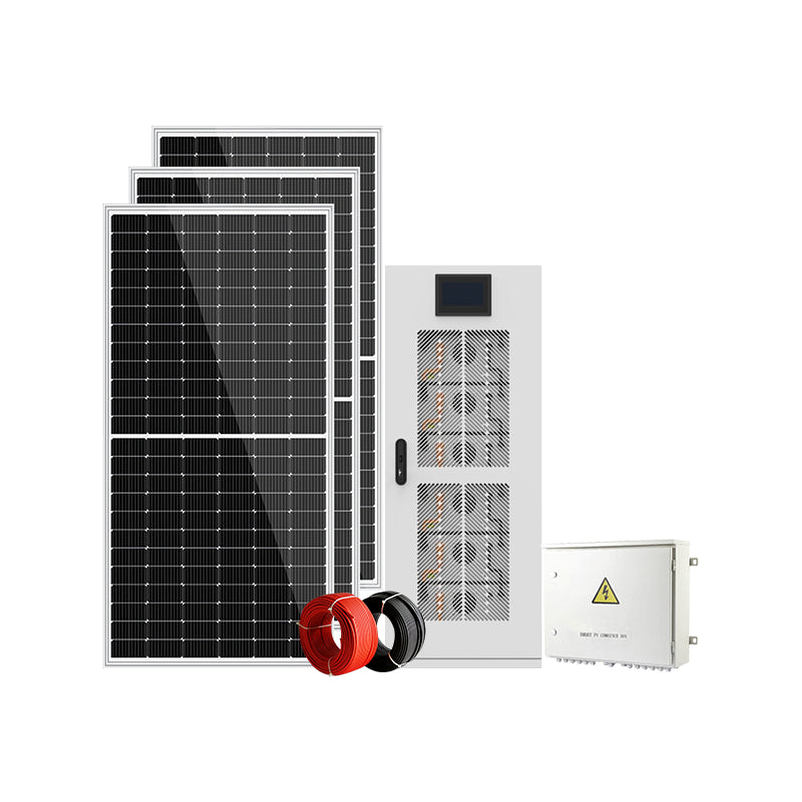
A 5kW solar generator system represents an optimal balance of power output and infrastructure requirements for agricultural applications. The core setup typically requires 15-20 solar panels rated at 400W each, strategically arranged to maximize sun exposure throughout the day. These panels feed into a robust battery bank, such as Anern’s lithium iron phosphate (LiFePO4) batteries with 10-15kWh storage capacity, enabling irrigation operations during cloudy periods or early morning hours.
The system’s hybrid inverter manages both DC to AC conversion and battery charging, delivering stable three-phase power essential for motor-driven pumps. Daily energy production averages 20-25kWh under optimal conditions, sufficient for operating multiple irrigation zones sequentially. The modular design allows farmers to expand capacity by adding parallel arrays and storage units, effectively scaling from small plots to extensive operations. Advanced charge controllers incorporate Maximum Power Point Tracking (MPPT) technology, ensuring optimal energy harvest even during varying weather conditions, while built-in monitoring systems provide real-time performance data for efficient system management.
Why 5kW Solar Generators Are Ideal for Irrigation
A 5kW solar generator system provides optimal coverage for most agricultural irrigation needs, efficiently powering pumps ranging from 1 to 3 horsepower. This capacity enables water delivery of approximately 20-30 gallons per minute, sufficient for irrigating 2-5 acres of cropland in standard soil conditions. For larger operations, multiple 5kW units can be synchronized to create scalable solutions without overcomplicating system design. The sweet spot advantage becomes evident in load management, where a single unit can operate primary irrigation zones during peak sunlight hours while maintaining reserve capacity for critical morning and evening watering cycles.
Farmers can implement hybrid approaches, using solar power during daylight hours and switching to grid power only when necessary, maximizing cost efficiency. Real-world applications demonstrate success across diverse farming operations, from vegetable gardens requiring precise drip irrigation to broader field applications using center pivot systems, proving the 5kW configuration’s versatility in meeting varied agricultural demands while maintaining operational reliability.
Critical Features for Agricultural Solar Power Installation
Three-Phase Output: Overcoming Motor Starting Demands
Three-phase power delivery is essential for efficient irrigation pump operation, providing balanced power distribution and reduced motor strain. Modern 5kW solar systems incorporate advanced inverter technology that handles the substantial inrush current demands during pump startup, typically requiring 3-4 times the normal operating current. These systems maintain consistent voltage across all phases, ensuring smooth motor acceleration and preventing premature wear on expensive pump equipment.
Plug-and-Play Solar Systems: Simplifying Implementation
Pre-configured solar solutions dramatically reduce installation complexity through color-coded connections and standardized mounting systems. These streamlined designs cut deployment time from weeks to days, while integrated system diagnostics enable rapid troubleshooting through smartphone apps. Farmers can easily expand their systems using standardized connection points, eliminating the need for specialized technical knowledge.
Ruggedized Design for Farm Environments
Agricultural solar installations feature IP67-rated enclosures that protect critical components from dust, water, and chemical exposure. Reinforced mounting frames withstand wind loads up to 140 mph, while specialized coating technologies prevent corrosion from fertilizer overspray. The systems incorporate passive cooling designs that maintain optimal performance even in extreme temperatures, with minimal maintenance requirements beyond annual inspections and occasional panel cleaning.
Implementing Solar Energy for Agriculture: Step-by-Step Guide
Stage 1: Energy Audit and System Sizing
Begin with comprehensive power monitoring of existing irrigation pumps across multiple operating cycles, documenting peak demand and daily consumption patterns. Conduct detailed solar exposure analysis using satellite mapping and shade analysis tools to identify optimal panel locations. Calculate water requirements based on crop type, acreage, and seasonal variations to determine minimum system capacity. Factor in critical irrigation windows to specify battery storage requirements, typically planning for 24-48 hours of backup operation.
Stage 2: Site Preparation and Component Installation
Position solar arrays at 30-45 degree angles facing true south, with adjustable mounting systems for seasonal optimization. Install concrete foundations meeting local wind load requirements, typically extending 36 inches below frost line. Implement dual-conduit wiring systems separating DC and AC circuits, using UV-resistant cables rated for direct burial. Complete safety installations including lightning protection, proper grounding systems, and emergency disconnects at key access points.
Stage 3: Integration and Daily Operation
Configure smart irrigation controllers to synchronize with solar production peaks, maximizing direct power utilization. Set up remote monitoring systems with mobile alerts for performance metrics and potential issues. Program automated transfer switches for seamless transitions between power sources during weather events. Establish monthly maintenance protocols including panel cleaning schedules, connection inspections, and performance verification checks against baseline measurements.
Benefits of Choosing a 5kW Solar Generator Over Diesel
Converting from diesel to solar irrigation systems typically delivers a return on investment within 4-6 years, with annual energy savings ranging from $3,000-$5,000 for a standard 5-acre operation. Solar-powered systems eliminate monthly fuel costs averaging $400-600 while reducing maintenance expenses by 70% compared to diesel generators. Smart irrigation control enabled by solar systems typically reduces water consumption by 30%, translating to additional savings of $800-1,200 annually through improved efficiency. System reliability during grid outages prevents crop losses valued at $2,000-3,000 per incident.
Federal tax incentives cover up to 30% of installation costs, while USDA REAP grants can fund an additional 25% of system expenses. State-level programs often provide supplementary rebates ranging from $0.50 to $1.50 per watt installed. The enhanced property value from solar installations typically recovers 80% of the initial investment, while reduced carbon emissions qualify farms for environmental credits worth $200-400 annually in participating regions.
The Future of Sustainable Agricultural Power
The 5kW solar generator stands as a transformative solution for modern agricultural irrigation, offering a perfect balance of power capacity, reliability, and cost-effectiveness. By delivering consistent three-phase power output of 20-25kWh daily, these systems effectively manage irrigation demands for small to medium-sized farms while providing scalability for larger operations. The compelling financial case – with ROI periods of 4-6 years and annual savings exceeding $5,000 – demonstrates their practical viability. Beyond immediate cost benefits, these systems provide critical protection against grid failures, fuel price volatility, and environmental compliance challenges.
As agriculture faces increasing pressure to adopt sustainable practices while maintaining profitability, 5kW solar generators emerge as a crucial bridge between traditional farming and future-focused operations. Farmers should conduct thorough site assessments and energy audits to evaluate their specific implementation potential, as the technology’s proven track record in diverse agricultural settings suggests broad applicability across the farming sector. With continuing advances in solar technology and increasing environmental pressures, these systems represent not just an alternative, but an inevitable evolution in agricultural power solutions.