
Having to look at skin in the mirror every single day means that daily improvement happens so gradually, it can barely be recognized. When living with acne, new zits popping up here and there feels devastating. At the same time, those healing away are so easily forgotten that nobody acknowledges the good that is actually happening. Daily familiarity breeds a lack of awareness and it’s not until skin is photographed and journaled about, that the tangible progress is acknowledged.
The Overactive Checkup Mind
For those with acne, when they check their skin, they check it a lot—sometimes a dozen times each day. Each bathroom mirror becomes a moment to assess, to compare, to catastrophize. Ironically, this never helps anyone but instead makes everyone feel worse about their skin. When one checks their skin a million times a day, they’re only looking at what looks the worst at that time. The new pimple gets 100 percent of the brain’s attention while nine other pimples on their way to healing garner zero consideration.
And this adds so much mental energy which contributes to stress—some stress is even created about acne by acne. This cycle is terrible: stressing about acne makes acne worse; being more stressed about acne because it looks worse—and it’s never a good thing. But with documentation—a diary entry or two every few days—this excessive social conditioning is no longer necessary and one can save face and save stress.
Acne doesn’t have enough of a chance to improve when daily assessments prevent awareness. Skin happens to look about the same day-to-day while it drastically improves over the course of weeks and months. Unless one is looking at pre- and post-dates from a month ago, there’s no way anybody would ever realize that the texture has smoothed out, the redness has subsided or there’s significantly less frequent occurrence of new zits. They happen—just not at as rapid a pace with treatment being applied—but without documentation, it’s difficult to substantiate.
Ideal Photo Documentation
Taking the perfect “before” and “after” pictures require proper angles, lightness and proximity yet judging skin alone provides proper awareness. A few selfies taken in random bathrooms offer no substantial progress related factor compared to an actual planned out mirror session documenting treatment.
Whether taking photos in front of a window or in a bathroom with natural, consistent lighting, people must pick their spots and light settings to have consistent options. Morning sunlight differs than afternoon sunlight; direct, artificial overhead light creates shadows that may not accurately depict texture; soft lighting helps achieve that goal.
Taking multiple angles—from straight-on snaps to side captures—to assess impact from all angles–often acne occurs on the jawline or temple area in addition to more visible parts of the face. Taking these same angles in retrospective sessions allows for comparison.
People should do weekly pictures or bi-weekly ones. Too many consecutive days won’t show the differences that spaced-apart pictures have. Too far apart won’t register without greater awareness in retrospect.
Assessing Pain and Interaction
What pictures won’t capture are written recordings assessing how things feel. Pain levels, inflammation levels of temptation to continuously pop new ones needs journaling too—which at least keeps things simple with a friend or foe journal entry each day that’s only a sentence or two.
For example, when does someone realize they haven’t had as many zits for x number of days? When tracking it every day someone can say “hey, I had 4 already this week on Monday but not today” or “I went three months without having any acute onset”.
Acne triggers and patterns emerge from documentation. Maybe for three days someone gets cystic zits around their birthday because they’re eating cake but they don’t notice it immediately. In hindsight, it makes sense and by documenting it, they’ll learn their patterns.
When something changes too. If someone gets moved up from one medication/serum type to another dosage/difference, it’s good to know as well. Documentation provides visual context for a highly personal journey.
Seeing Results That Feel Invisible
This is why visual cues are such a godsend when it comes to substantiating signs and symptoms. By comparing before photos with what’s currently happening after eight weeks of treatment—there’s something to say about how impressive that difference is.
Normal skin where there was once inflamed skin; smooth surfaces overtaking rough textures; pictures show what’s not seen by consistently observing—and it’s not malicious—it’s just natural.
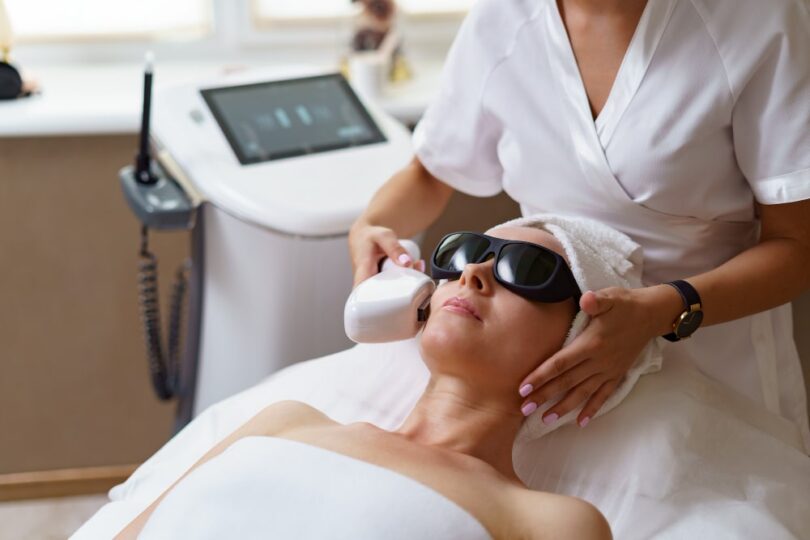
Documented changes happen day in and day out from treatments. Consider all the kinds of Acne laser acne treatment before and after content you’ve seen online and you’ll see that changes can take time but are very noticeable .
This also discourages a treatment abandonment mentality. Acne can worsen quickly but due to incrementally small improvements, treatments take about twelve weeks to really start showing substantial results. By documenting improvement each week at intervals almost creates more relief worth holding onto then the misconceptions about what’s happening naturally without guidance.
Getting Others in on the Plan
Dermatologists need documentation instead of each patient complaining after the fact when they come in about how things happened inconsistently on x or y date. They reflect how things were on the day of presentation but that’s not how things always are.
Bringing in documentation proves what’s been going right and wrong for fourteen weeks and it’s great third party evidence for telemedicine sessions when the provider can’t assess their patients in person.
Written documentation about side effects like if x gave inflammation for three weeks before it calmed down helps figure out what’s worth keeping and changing going forward. If one hasn’t followed instructions perfectly then they need to hear it.
The Before Photo They’ll Regret Not Taking
Finally—one piece of advice people always hear post-acne process is that they wish they had taken better “before” photos because it’s so hard for them to remember how bad their skin was before this miraculous change.
When all one sees is clear skin afterwards, their brain will forget their cystic acne memory once it’s all said and done. Without photos, how can they suggest otherwise? Especially since everyone’s always told not to take pictures until they’re at their worst, which isn’t true – pictures now establishes a baseline for future changes whether they’re better or worse down the line.
Waiting for skin to be “bad enough” means missing what’s been done up until this point regardless of movement needed.
Making It Sustainable Over Time
Thus, if making this all work best—which it needs to—then it’s important that over time this doesn’t become so complex that it becomes stressful or ignored midway through.
If taking pictures works best in good light outside—those are necessary, however, note taking is not where everything should be housed in a complicated organizational system—too much stress makes everything fail unless this is easy enough.
Therefore same spot, same lighting consistently should mean easy access or avoiding harsh light or unnecessary setup and phone cameras work fine so long as it’s tried at certain intervals with confidence up front before realizing perfection may never come.
Setting reminders weekly helps keep them honest; skin isn’t checked unless skin warrants checking which means creating an obligation where none naturally exists through memory alone not helpful.
Documented Realities Help Give an Objective Reality Check
Acne takes a toll on mental health—and part of why it does is due to perceived realities since all perception is reality, with daily subjection to mirrors and opportunity to blow blemishes out of proportion.
This psychological element supplants any distortion of reality when in fact documentation offers an objective reality that people otherwise wouldn’t see if they weren’t in their heads so much—pictures remind people what reality looks like—not what one feels like through distorted perception.