
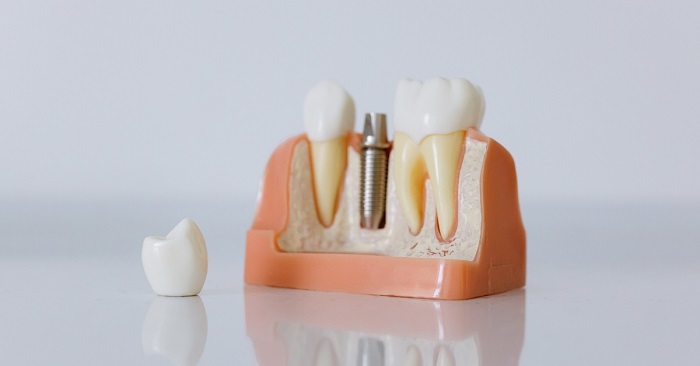

Dental implants have become a leading solution for individuals seeking a permanent and reliable alternative to dentures and bridges. Their design and integration with the jawbone mimic the function of natural teeth, restoring confidence and oral health. If you are considering this life-changing treatment, working with a qualified dental implant dentist Thousand Oaks, CA can be your first step toward a brighter, stronger smile.
The key question for many patients is: how long can you actually expect dental implants to last? The answer lies in both the remarkable durability of the implant itself and the many lifestyle and health factors that come into play. Understanding these factors can help you make informed choices and maximize your investment in your oral health.
Average Lifespan of Dental Implants
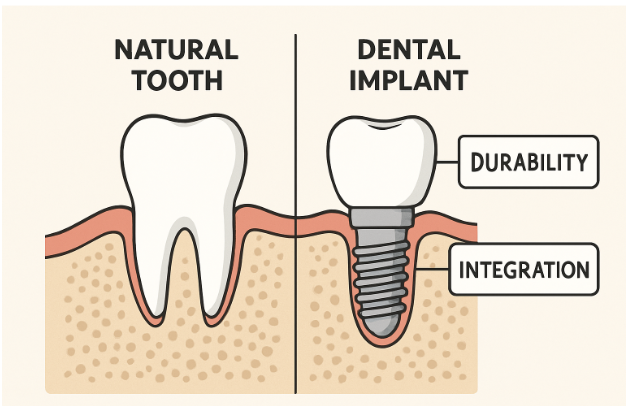
Dental implants are celebrated for their longevity. On average, a dental implant can last anywhere from 10 to 30 years, with many lasting much longer under optimal conditions. In fact, many people with excellent oral hygiene and no complicating health issues find their implants lasting a lifetime. It’s important to note, however, that while the titanium implant fixture is designed to last, the crowns or prosthetic teeth attached to the implant usually require replacement every 10 to 15 years due to everyday wear and tear.
The reason for this impressive lifespan lies in the process of osseointegration, where the implant fuses directly with the bone, forming a stable foundation. Nevertheless, routine professional dental visits are necessary to monitor the condition of both the implant and the surrounding bone structure, ensuring their continued health.
Factors Influencing Implant Longevity
- Oral Hygiene: Good oral hygiene is non-negotiable. Consistent brushing, flossing, and using an antibacterial mouthwash reduce the risk of peri-implantitis—an inflammatory condition that can destabilize implants.
- Lifestyle Choices: Smoking and excessive alcohol intake both impede healing after implant surgery and heighten the risk of complications. Smokers, in particular, experience a noticeably higher rate of implant failure than non-smokers.
- Bone Density: Dental implants thrive in a healthy, dense jawbone. Conditions such as osteoporosis decrease bone quality and may limit the potential for successful osseointegration.
- Professional Care: Routine dental check-ups not only keep your teeth clean but also allow professionals to monitor your implant for early warning signs of problems, such as bone loss or gum infection.
Genetics and preexisting medical conditions can also play a role. Diabetes, autoimmune disorders, and certain medications can affect how well your body heals and adapts to an implant. According to the Mayo Clinic, individuals with controlled health conditions are still viable candidates, but they should work closely with their dental professional to mitigate risks.
Common Causes of Implant Failure
Dental implants boast high success rates, but not every implant endures indefinitely. Most failures are due to avoidable factors, highlighting the importance of thorough preparation and aftercare. Some prevalent causes include:
- Poor Oral Hygiene: The leading cause of implant failure is infection around the implant, primarily resulting from lapses in daily dental care.
- Smoking: Beyond the initial healing phase, smoking can compromise blood flow to gum tissues, significantly raising the risk of implant complications.
- Medical Conditions: Conditions like uncontrolled diabetes weaken the immune response and slow down crucial healing processes, jeopardizing implant integration.
- Inadequate Bone Support: If the jawbone lacks sufficient volume or density, the risk of the implant not integrating properly is significantly higher.
Advanced diagnostics and pre-planning, such as bone grafting or guided surgery, help identify and address these risk factors, offering more patients the opportunity for long-term implant success.
Enhancing Implant Longevity
To maximize the benefits of your dental implant investment, proactive care is crucial. Follow these best practices:
- Practice thorough oral hygiene by brushing at least twice a day, flossing, and using an antibacterial mouth rinse.
- Schedule regular dental visits for cleanings and oral examinations to detect problems before they become more severe.
- Eliminate smoking and moderate your alcohol intake, especially in the months following implant placement.
- Maintain a balanced diet rich in calcium and vitamin D to support bone health, and address any deficiencies that could compromise healing or implant retention.
For those with underlying medical conditions or concerns about bone density, working closely with a dentist or oral surgeon is crucial. Early intervention can often resolve issues before they threaten the longevity of the implant.
Final Thoughts
Dental implants offer a durable and attractive replacement for missing teeth, with the potential to last a lifetime when properly cared for. Their longevity depends on factors such as oral hygiene, lifestyle choices, medical history, bone quality, and ongoing professional care. By understanding these influences and committing to a healthy oral care routine, most patients can maximize the lifespan of their dental implants and enjoy a reliable, confident smile for years to come.