
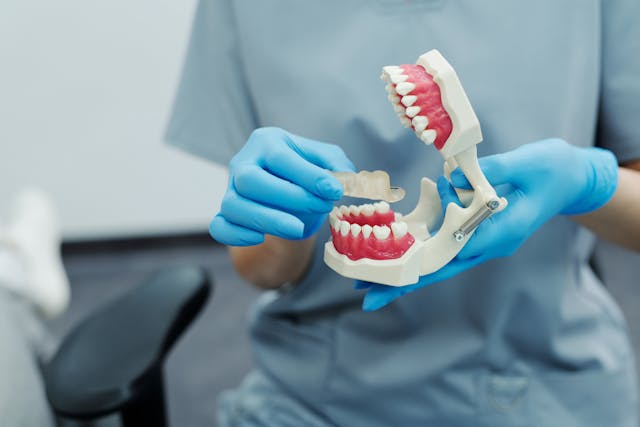

Getting a child ready for braces often feels like a big step for families in Fort Lauderdale. Parents want their child to feel calm, confident, and cared for as they begin this new chapter. The right preparation can make appointments smoother, ease anxiety, and help kids adjust more quickly to braces.
Parents can prepare their child for braces by explaining the process clearly, setting realistic expectations, and providing comfort during the early days of treatment. Talking openly about why braces matter and how they help build a healthy, confident smile can also motivate children to take care of their teeth throughout the process.
In Fort Lauderdale, many orthodontic clinics create positive experiences for young patients with supportive staff and gentle approaches. Families who plan ahead, learn about proper braces care, and stay involved during treatment often see the best results, both in their child’s smile and their confidence.
Preparing Your Child for Braces in Fort Lauderdale
Parents in Fort Lauderdale can make the braces process smoother by understanding how orthodontic care supports long-term dental health, choosing a trusted local specialist, and knowing what to expect before treatment begins. These steps help children feel comfortable and confident about their upcoming experience.
Understanding the Importance of Braces
Braces correct crowded, misaligned, or gapped teeth and guide proper jaw development in children. They also help prevent future issues such as uneven wear, trouble chewing, and speech difficulties. Early orthodontic evaluation, often around age seven, lets professionals monitor growth and spot alignment problems before they become more severe.
Parents should explain that braces help create a strong, even smile rather than focusing only on appearance. Children who understand this purpose tend to adjust better to the treatment process. Focused conversations about routine checkups, dental hygiene, and following instructions also teach responsibility and help achieve better results.
Simple tools such as a soft toothbrush, orthodontic wax, and sugar-free snacks can comfort a child during the first few days with braces. Reducing fear by describing each step in plain, calm language helps build trust and cooperation.
Choosing the Right Orthodontist and Clinic
Selecting a practice that values personal attention makes a difference in comfort and care. Freeman Orthodontics in Fort Lauderdale represents the type of smaller, locally owned clinic where each patient meets directly with Dr. Christopher Freeman. This personal connection helps families feel heard and supported throughout treatment.
Dr. Freeman and his team have decades of combined experience in orthodontics for children. Their approach focuses on long-term comfort, individualized planning, and open communication. Reception staff, assistants, and coordinators often remain with the practice for years, creating a familiar environment that reduces anxiety for young patients.
Parents should schedule a visit to tour the clinic, observe staff interactions, and ask questions about equipment, sanitation, and appointment flexibility. Practices that use digital imaging and offer clear explanations of every step usually inspire the greatest confidence.
What to Expect During the Initial Consultation
The first consultation introduces the child to the orthodontic setting and allows the orthodontist to examine teeth and jaw alignment. At this appointment, patients often receive digital scans instead of physical molds, which helps identify spacing or bite concerns quickly.
Parents can expect the doctor to explain possible treatment paths and outline steps from the first fitting to maintenance visits. Children benefit when parents ask about appointment frequency, discomfort levels, and estimated treatment time. These details help families plan around school, sports, and other activities.
Many clinics provide this consultation at no cost. It also serves as a good time to discuss financing options and insurance coordination. Keeping communication open helps families manage both expectations and budgets comfortably.
Discussing Types of Braces and Treatment Plans
Orthodontists now offer several options designed to match each child’s dental needs and personality. Metal braces remain common for effective alignment, while ceramic braces provide a less visible look. Clear aligners appeal to older children who prefer a discreet design. Each option varies in comfort, maintenance, and cost.
Families should review how hygiene requirements differ between systems. For example, aligners require regular cleaning and removal during meals, while traditional braces need careful brushing and flossing. Parents can track daily care with simple charts or reminders at home.
Regular follow-up visits allow the orthodontist to adjust wires or review progress. Most children wear braces for one to three years, depending on complexity. With consistent care, the result is a straighter smile and healthier bite that supports lasting oral health.
Supporting Your Child’s Braces Journey and Care
Parents can help their child adjust to braces by providing comfort, practical tools, and steady encouragement. A few simple habits such as choosing soft foods, keeping up with oral hygiene, and staying positive during adjustments can make orthodontic care more manageable.
Helping Your Child Adjust to Life With Braces
Children usually need a few days to adapt after getting braces. The brackets and wires may feel strange at first, and mild soreness can occur. To ease any irritation, parents can give soft foods, encourage saltwater rinses, and apply orthodontic wax to prevent rubbing.
Open conversations help children express how they feel about the changes. The orthodontic team can guide parents and answer questions about care routines. Clear explanations reduce anxiety and build confidence about what to expect next.
Parents should remind their child that braces are temporary. A friendly reminder that each adjustment moves them closer to a healthy smile helps maintain a positive attitude. Visual progress photos can also motivate kids to stay committed to good oral habits.
Braces-Friendly Foods and Oral Hygiene Habits
Smart food choices protect braces and keep treatment on track. Children should eat braces-friendly foods like yogurt, mashed potatoes, pasta, and soups, especially right after adjustments. Avoiding sticky or crunchy foods, such as caramel or popcorn, prevents damage to wires and brackets.
Good oral hygiene habits keep teeth and gums healthy. Brushing after every meal with a soft-bristled toothbrush removes trapped food. An interdental brush or floss threader can clean around brackets and wires where regular floss cannot reach. Parents can create a daily routine that includes both brushing and flossing to prevent plaque buildup.
A fluoride rinse adds an extra layer of protection by keeping enamel strong. These habits not only maintain oral health but also keep the braces clean and less noticeable.
Managing Emotions and Building a Confident Smile
Adjusting to braces can affect self-esteem. Children may feel self-conscious or worry about teasing from others. Parents can help by focusing on the positives, such as the future confident smile that braces will create. Encouraging small milestones, like improved brushing habits or fewer adjustment issues, makes progress clear and achievable.
Listening carefully to a child’s concerns builds trust and reduces fear. Positive peer examples or photos of others with braces can show that orthodontic care is common and worthwhile. Strong emotional support from parents often leads to better cooperation with instructions from the orthodontic team.
Simple rewards or praise for good care keep motivation high. This balanced approach supports both emotional health and treatment success.
Preparing for Regular Orthodontic Appointments
Regular orthodontic appointments are a key part of the braces journey. Each visit allows the orthodontic team to check progress, tighten wires, and make small adjustments that guide teeth into the correct position. Missing appointments can delay treatment and increase discomfort later.
Parents can help their child stay ready by keeping a short list of questions for each visit. Packing elastic bands, wax, and a small toothbrush helps children stay prepared. After appointments, soft foods and mild pain relief can ease soreness from adjustments.
It also helps to mark appointment dates on a shared calendar. Staying organized shows children that orthodontic care is a routine part of maintaining a healthy smile, not a burden.
Conclusion
Parents in Fort Lauderdale can help their child adjust to braces with small but thoughtful steps. Good communication with the orthodontic team builds trust and reduces fear before the first visit. A calm parent often sets the tone for a confident child.
It also helps to prepare the home environment. Stock up on soft foods, provide orthodontic-friendly snacks, and remind the child about proper brushing habits. These efforts make daily routines smoother and more comfortable.
Families create the best experience by staying positive and celebrating progress. Braces take time, yet each small change leads closer to a healthy smile. With practical preparation and steady support, parents guide their child toward confidence throughout the entire process.